heating and cooling
Importance of Regularly Changing Your Air Filters
The air filter is a vital part of central heating and cooling systems. Unfortunately, however, it’s often overlooked until there’s a problem.
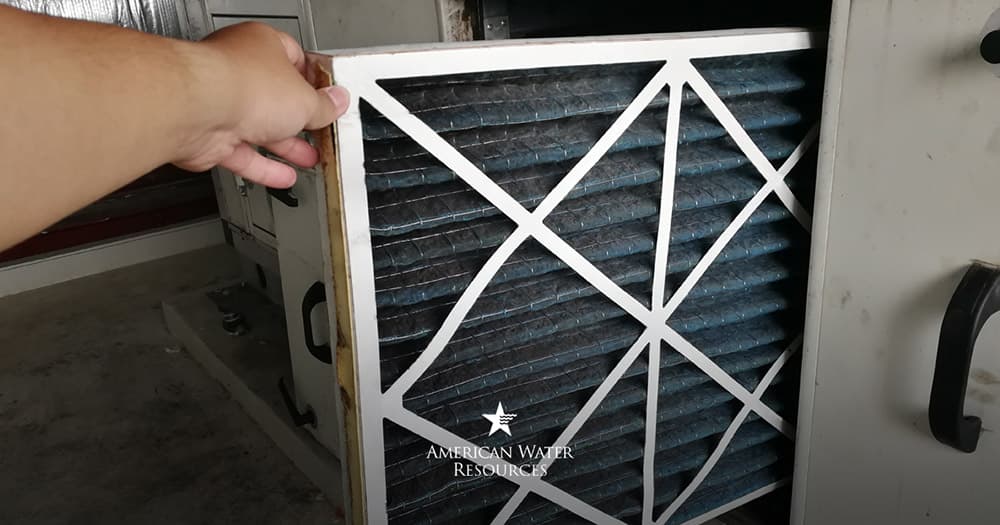
The air filter is responsible for catching particulates in the air, such as dirt, dust, pet dander, and even mold spores. When the filter isn’t changed on a routine basis, the result could be compromised indoor air quality for your family, and a heating and cooling system with worn out, dirty parts that need to be repaired or replaced sooner than you’d like!
How often should I change my air filter?
The general rule is to change your air filter monthly during the peak of the heating and cooling season in your area. If you have pets in your home, individuals who suffer from allergies, or smokers, you may need to change the air filter more often to prevent it from getting clogged with airborne pollutants that may cause your family members to suffer from poor indoor air quality.
You can also check the owner’s manual that came with your heating and cooling systems to see if it provides any recommendation on how often you should replace the filter, as well as the size and MERV-rating you will need to use for the replacement filter. If you can’t find information in the owner’s manual, or if you still have specific questions as to how often to change the filter, consult a heating and cooling professional.
Where is the filter?
Your air filter is likely installed as part of the heating and cooling system. It’s often tucked away in a small compartment on the side or top of the heating unit. When replacing the filter, it will be important to make sure that you are installing the new one in the same direction as the old one so that you aren’t restricting air flow. (Arrows on the filters will indicate the direction.) Also, as a reminder of the date you installed the current air filter, write the date on the frame of the filter and enter a reminder in your calendar to replace the air filter 30 days from the installation date – the date written on the frame of the filter.
If you aren’t comfortable replacing the air filter on your own, you can contact a local heating and cooling professional for assistance. Often, you will need to supply the replacement filter you would like to use— keep this in mind when making a call to an HVAC company.
What happens if I don’t change the filter regularly?
A dirty air filter could cause serious issues for your home’s indoor air quality. The filter captures pollutants in the air and prevents them from circulating through your heating and cooling systems and out into the air your family breathes. When the filter is clogged with dirt, dust, and other debris, it won’t be able to keep dangerous air pollutants out of your HVAC systems, and your family may be breathing in contaminated air.
Poor indoor air quality can cause a variety of health problems, including sneezing, coughing, itchy eyes, headaches, asthma attacks, and many other issues you don’t want your loved ones to deal with. Additionally, a dirty filter restricts air flow. This will cause your heating and cooling systems to work harder than necessary to push cool or warm air into your living spaces. This could eventually lead to premature wear and tear on your units, as well as higher energy bills each month.
What type of replacement filter do I need?
This may be something that your heating and cooling system owner’s manual can answer for you. But if you can’t find information on what MERV-rating you need for the replacement, the general rule is to use a filter that has a MERV-rating between 5-13. Basically, this rating will tell you how efficient the filter will be at capturing pollutants in the air. Most households don’t require a MERV-rating greater than 13, but if you are concerned about individuals in your home with health conditions, it is best to consult a heating and cooling professional for more information.
Additional tips for maintaining your HVAC systems
Schedule annual tune-up appointments for your air conditioner and heater. During your maintenance appointment, a trained professional will carefully clean and inspect your unit to be sure that everything is in good working order. If there is a problem, the technician can often discover it and repair the issue ahead of time, before it results in a breakdown of your unit.